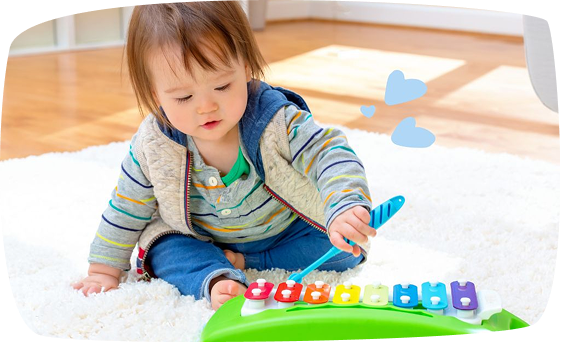
Trying to decide between a babysitter and daycare? Here are 8 key things to weigh, from cost and flexibility to socialization and routine, so you can choose what actually fits your child and your schedule.
Choosing between a babysitter and daycare is one of the biggest decisions parents face, and there’s no single right answer. Neither option is better in every situation. It comes down to your child’s age and temperament, your work schedule, your budget, and how much structure or flexibility your family needs day to day.
This guide walks through 8 important differences, so you can decide what actually fits your child and your life.
What Is the Difference Between a Babysitter and Daycare?
A babysitter provides one-on-one care, usually in your own home, on a schedule that works around your family’s needs. In daycare, children are cared for in a group setting, following a structured daily routine and curriculum.
In practice, the two options sit at opposite ends of the same spectrum. A babysitter offers focused, individual attention and a flexible, personalised approach, letting your child eat, sleep, and play at their own pace. Daycare offers structure and daily socialisation with other children, but within a fixed routine that the whole group follows together. Here are the 8 things you should consider before choosing.
Quick Comparison: Babysitter vs. Daycare at a Glance
| Factor | Babysitter | Daycare |
| Attention | One-on-one, personalised | Divided among a group |
| Flexibility | Adapts to your schedule | Fixed hours and routine |
| Personalisation | You set the approach together | Follows the centre’s programme |
| Socialisation | Limited to siblings or playdates | Built in, daily |
| Routine & pace | Child can follow their own natural rhythm | Follows a group schedule |
| Backup care | None built in unless arranged | Staff cover for each other |
| Illness exposure | Lower, fewer children around | Higher, more exposure to germs |
Let’s have a closer look.
1. One-on-One Attention vs. Group Care at Daycare
With a babysitter, your child gets undivided attention from one caregiver who can notice small things, a change in mood, a new word, tiredness creeping in, and respond right away. At daycare, that attention is shared among a group, which means less individual focus, but your child also benefits from being around several educators and other children throughout the day, not just one adult.
2. Babysitter Flexibility vs. Daycare’s Fixed Hours
A babysitter can adapt to your schedule, whether that’s an early start, a late finish, or a last-minute change of plans. Daycare runs on fixed hours and a set routine, which works well for predictable schedules but leaves less room for the unexpected.
That said, daycare has its own kind of reliability worth mentioning. Centres are open every day except public holidays, and if one educator is off sick, there’s always another one to step in. A babysitter’s flexibility works the other way around: they can adjust their hours around you, but if they’re unwell, there’s no automatic replacement unless you’ve already arranged a backup (more on this below). So each option is flexible in its own way, one bends around your schedule, the other guarantees it keeps running no matter what.
3. A More Personalised Approach with a Babysitter
One of the biggest advantages of a babysitter is how much you can shape the experience together. Rather than following a fixed programme set by a centre, you and your babysitter can agree on the details that matter most to your family, such as:
- What your child eats, and any preferences or routines around meals
- Your parenting style and how you’d like discipline, screen time, or bedtime handled
- The kind of creative activities your child enjoys, whether that’s drawing, music, or outdoor play
This isn’t a one-time conversation either. As your babysitter gets to know your child better, the approach can continue to evolve.
4. Socialisation: Daycare vs. Babysitter
Daycare offers daily, built-in interaction with other children, which helps with skills like sharing, turn-taking, and cooperation from a young age, and it’s good preparation for school. A babysitter can still support socialisation through playdates and outings, though it takes a bit more planning on your part.
For very young babies, many parents lean towards a babysitter or nanny, and there’s a good reason for it. At this age, babies don’t need structured activities or group play, and daycare can feel quite intensive for them. What they need most is to follow their own natural rhythm. As your child grows and starts wanting more social interaction and structure, it’s worth revisiting the decision.
If you’re wondering whether your baby is ready for outside care at all, when is a baby old enough for a babysitter is worth a read.
5. How a Babysitter Follows Your Child’s Natural Routine
With a babysitter, your child can follow their own natural rhythm: waking up when they’re ready, napping when they need to, and joining in activities only when they’re in the mood. Daycare follows a fixed group schedule, which offers structure and predictability but less room to adapt to how your child is feeling on any given day.
6. Illness and Germ Exposure: Daycare vs. Babysitter
Children in daycare are exposed to more germs simply by being around more kids every day. With a babysitter, that exposure is generally lower, since your child isn’t in a large group setting.
That said, some exposure to germs is a normal, healthy part of growing up. It’s how children build up their immune defences over time, and most kids who start daycare early do go through an adjustment period with more frequent colds before things settle down. So while a babysitter may mean fewer sick days in the short term, it’s not necessarily a downside if your child ends up at daycare or school later on.
7. Babysitter vs. Daycare Cost
Cost is often the deciding factor for many families, and here the two options are genuinely different, not just in price but in what you’re paying for.
A babysitter is generally more expensive than daycare, especially for full-time care. That higher cost reflects the kind of care you’re getting: one dedicated person focused entirely on your child, rather than a group setting where attention is shared. It’s worth checking the babysitter rates in your area to get a realistic sense of what that looks like for your family.
Daycare tends to be more affordable overall, with a fixed weekly or monthly rate that makes budgeting simpler. Keep in mind that the actual amount can vary depending on where you live and your household income. And while daycare doesn’t cover you when your child is sick, meaning you may need a backup babysitter on those days, even factoring that in, daycare usually still works out cheaper overall than a full-time babysitter.
So the real question isn’t just which one costs less. It’s whether the extra cost of a babysitter is worth it for your family, in exchange for the flexibility and personalised attention that comes with it.
8. Backup Care: What Happens If Your Babysitter Can’t Make It
This is one of the biggest worries parents raise, and it’s a fair one. It’s better to have a backup in place before you need one. Getting to know two or three babysitters you trust, rather than relying on just one, means you always have a plan B. This is exactly the kind of flexibility Sitly is built for. You can browse local babysitters and build a small network of sitters you already trust, so a last-minute cancellation doesn’t derail your day.
How to Decide Between a Babysitter and Daycare
A few honest questions can help point you in the right direction:
- Does my work schedule need fixed hours, or does it change week to week?
- Is my child more settled one on one, or do they light up around other kids?
- What’s our budget, and does it work better as an hourly rate or a fixed fee?
- How important is backup care if my regular caregiver is unavailable?
- Is my baby very young and still finding their own rhythm, or ready for more structure?
There’s rarely one obviously correct answer, and that’s completely normal. Most parents second-guess this decision at some point, and plenty end up trying one option before switching to the other. Or they end up combining the two: their child goes to daycare on certain days, and on others, a babysitter comes over.
Whichever you choose, your child will need a bit of time to settle in, and that’s completely normal. A new babysitter and a new daycare both mean a new face, a new routine, and some time apart from you. Going in gradually, with short sessions at first, will make the transition smoother. Read our tips on how to help your child adjust to their babysitter.
Table of contents


FAQ

Daycare provides children with daily interaction with peers their own age, which can help develop skills like sharing and cooperation. A babysitter can still support socialisation through playdates and outings, just less consistently.
It depends on your child. Home daycare tends to have a smaller, more intimate group and setting, while a nursery or larger daycare centre often has more structured programming and resources. Neither is universally better, it’s about fit.
Not quite. A babysitter typically provides occasional or part-time care, while a nanny is usually a longer-term, often full-time caregiver with a more consistent daily routine.


Trusted sitters, right around the corner
Need a little help? Sitly connects you with experienced babysitters in your area. Whether you need occasional or regular care, finding the right babysitter is super easy. Browse profiles, read reviews, and reach out to your favorites right away.

Related Articles

8 Ways to Find a Babysitter Near You
Not sure where to find a babysitter near you? Here are 8 ways to do it, from babysitter platforms and agencies to local referrals, plus specific tips for last-minute, overnight, and newborn care.
Night Babysitter: How to Find One and Tips for a Smooth Night
Need a babysitter who can stay overnight? Here's how to find a reliable night babysitter, what sets a night nanny apart, and what to agree on before the night starts, from pay to house rules.

How to Find a Last-Minute Babysitter Without Stress
Looking for a last-minute babysitter doesn't have to be stressful. Learn how to build an emergency babysitter list, find trusted local sitters quickly, and prepare for unexpected childcare needs before they arise.