This guide covers how to verify a babysitter's references properly: who to contact, what to ask, and which warning signs are worth taking seriously.
Finding the right babysitter takes time. Once you’ve had a good interview (here are 10 important questions to ask your babysitter) and feel like you’ve found someone you like, it’s tempting to just go for it. But before you make your decision, there’s one step you should never skip: checking references. References are one of the most reliable ways to find out who you’re actually hiring. And the good news is that if you found your babysitter on Sitly, part of the work is already done: reviews from other parents are visible directly on profiles. That’s your starting point.
References on Sitly: your first layer of verification
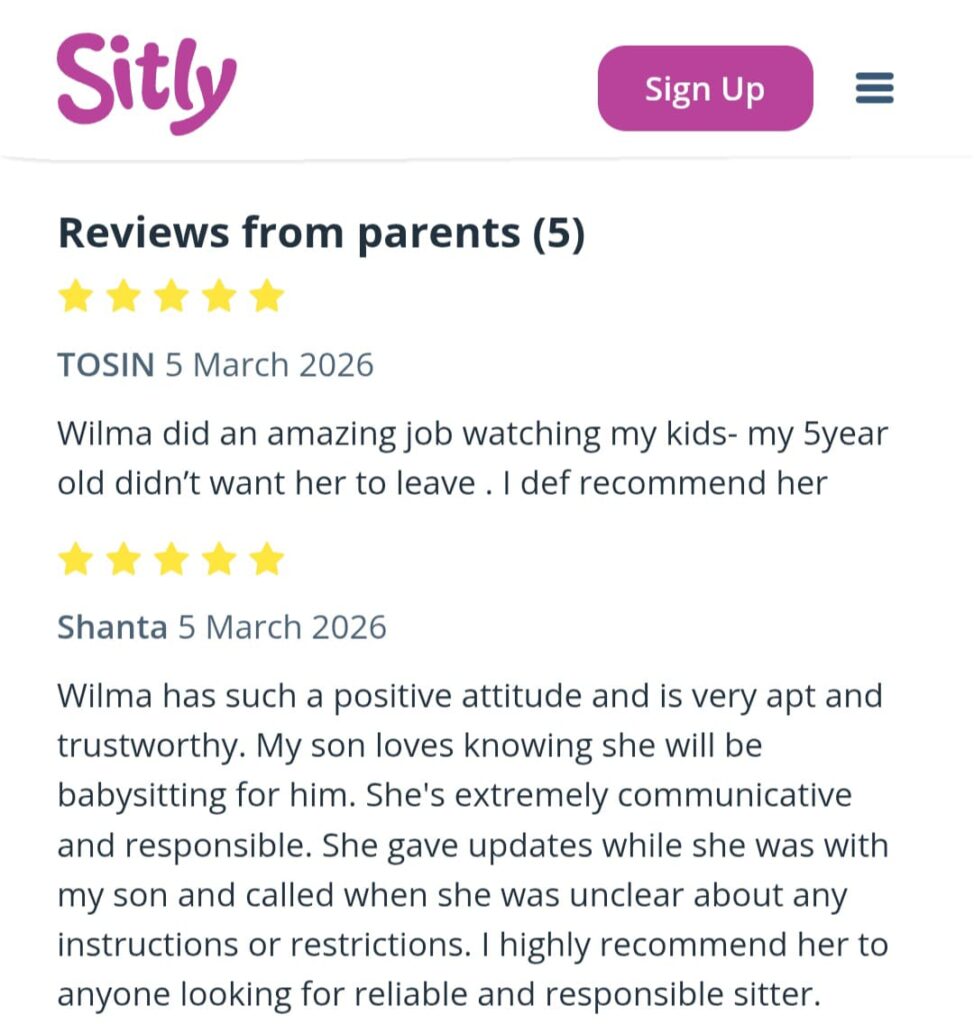
Before you even pick up the phone, take a close look at the babysitter’s Sitly profile. Reviews from other parents give you a real picture of how satisfied they are with the sitter. Ask your babysitter for their contact information, so that these families can tell you how they work, how they communicate, and how children respond to them.
Because Sitly connects you with babysitters in your local area, there’s a good chance you share a neighbourhood, a school, or mutual contacts. They might not be a total stranger, and that matters. Local connections add an informal but genuine layer of reassurance that you simply don’t get with someone from further away.
What if the babysitter doesn’t have any references?
If they’re young and this is their first babysitting job, it’s completely normal. Don’t rule them out. Ask for someone who can speak to their character and reliability instead: a previous employer who can speak to their character, reliability, and how they handle responsibility. Or consider asking a teacher or mentor, especially for younger babysitters who are just starting out.
Then spend a bit more time on the interview, and consider a trial session with you at home before leaving them alone with the children.
If they’ve been babysitting for a while, though, it’s a different situation. Someone with real experience should have at least one or two families who’d be happy to vouch for them. If they can’t provide anyone, it’s worth asking why and listening carefully to the answer.
When to ask for references
Ask for references at the end of the interview, and not once you’ve already made up your mind. Why after? Because checking references is most useful when you can cross-check what the babysitter told you. Did they say they worked with a family for two years? That they’re great in emergencies? That the kids adored them? A reference check is your chance to verify everything.
If you ask too early, you’re going in blind. If you ask too late, you’ve already decided, and you’re just looking for confirmation rather than information.
Who should be giving references?
The most useful references come from families the babysitter has worked with before. They can speak directly to how they behave with children, how they handle the unexpected, and whether they’d trust them again.
Not all references carry the same weight. A family who used the same babysitter every week for a year has seen them in all kinds of situations — tired evenings, difficult bedtimes, the odd minor crisis. A family who hired them occasionally on a Saturday night has a much more limited picture. Both can be useful, but when you’re speaking to references, it’s worth asking how often and for how long they worked together. The more regular and sustained the experience, the more reliable the reference.
What if the reference comes from a family member?
A reference from a cousin or an aunt isn’t automatically worthless, but it does need to be read differently. Family members tend to speak in general terms: “They’re wonderful with children” or “Everyone loves them.” That’s warm, but it doesn’t tell you much. What you’re looking for is specificity: how did they handle a child having a tantrum? What did they do when one of the kids got hurt?
If the only references available are from family, try to balance them with at least one external contact, such as a former employer, a teacher, or another parent.
How to do a babysitter reference check
Once you have the name of the person to call, it’s worth taking a quick look at their social media profile to get a better sense of who they are. Just see if you have friends in common. Sometimes, a quick glance reveals you have a mutual friend or live in the same neighbourhood. This immediately turns a stranger into a trusted source.
Calling a reference can feel a little awkward, especially if you’re not sure what to say. But most parents on the other end of the line completely understand. They’ve been in your position. Keep it short, friendly, and direct. You might open with something like:
“Hi, my name is [Name]. [Babysitter’s name] listed you as a reference. I was wondering if you had a few minutes to tell me about your experience with them?”
From there, listen carefully. Not just to what they say, but to how they say it. An enthusiastic response is a great sign. Hesitation, vague answers, or an awkward pause when you mention the babysitter’s name are all signals and reasons to ask a follow-up question.
At the end of the call, leave your number and ask if there’s anything else they’d like to add. Sometimes the most telling things come after the formal questions are done.
Questions to ask a babysitter’s references
What are good questions to ask when you are calling a reference? Here, you can find a list of the most important questions:
- How long did they work with your family?
- What were the ages of the children they looked after? If you are looking for a babysitter for a baby, it is best to find someone who has experience with babies.
- Were they punctual and reliable? Did they ever cancel at short notice?
- How did they handle difficult situations, like a child who wouldn’t sleep, an injury, when a child was upset?
- Did they follow your house rules and routines?
- Why did they stop working with your family?
- Based on your experience, would you recommend them?
That last question is the most important one. The answer, and the way it’s given, tells you almost everything.
Red flags to watch out for in a babysitter’s background check
Most reference checks go smoothly. But here are the signs worth taking seriously:
- The reference is vague or speaks only in generalities, with no specific examples
- There’s hesitation or discomfort when the babysitter’s name comes up
- The reference wasn’t expecting your call and seems surprised to have been listed
- The babysitter is reluctant to provide references at all, or only offers family contacts
- What the reference tells you doesn’t match what the babysitter said in the interview
- They have months or years of experience but no references to show for it
One of these on its own might mean nothing. Several together are worth paying attention to.
What else should you check?
References tell you a lot about character and experience. For an extra layer of reassurance, you can also ask the babysitter for a Criminal Record Certificate. Most babysitters who take their work seriously won’t be surprised by this request.
If you’re already looking into the babysitter’s social media profiles to see if you have a common connection, it is also useful to have a quick look at their general profile and posts. You don’t want to judge their personal life, but get a broader sense of who they are. You’re looking for anything that would feel out of place in someone caring for your children. Most of the time, you won’t find anything of concern. But it takes five minutes, and it’s worth doing.
References will give you a clearer, more complete picture of who you’re inviting into your home. Use them well, ask the right questions, and trust what you hear, including the silences.
Table of contents


FAQ

Focus on specifics: how long they worked together, how the babysitter handled difficult situations, whether they were reliable, and whether the family would hire them again. Vague, overly general answers are worth probing further.
If they’re new to babysitting, that’s completely normal. Ask for a character reference instead — a teacher, mentor, or former employer works well. Spend a bit more time on the interview and consider a trial session before leaving them alone with your children.
Yes. Reviews from other parents are visible directly on every babysitter’s profile, so you already have a starting point before you pick up the phone.


Trusted sitters, right around the corner
Need a little help? Sitly connects you with experienced babysitters in your area. Whether you need occasional or regular care, finding the right babysitter is super easy. Browse profiles, read reviews, and reach out to your favorites right away.

Related Articles

8 Ways to Find a Babysitter Near You
Not sure where to find a babysitter near you? Here are 8 ways to do it, from babysitter platforms and agencies to local referrals, plus specific tips for last-minute, overnight, and newborn care.

Night Babysitter: How to Find One and Tips for a Smooth Night
Need a babysitter who can stay overnight? Here's how to find a reliable night babysitter, what sets a night nanny apart, and what to agree on before the night starts, from pay to house rules.

How to Find a Last-Minute Babysitter Without Stress
Looking for a last-minute babysitter doesn't have to be stressful. Learn how to build an emergency babysitter list, find trusted local sitters quickly, and prepare for unexpected childcare needs before they arise.