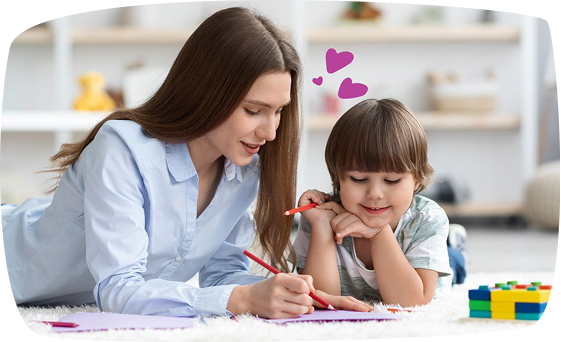
Looking after children of different ages comes with different challenges. Discover practical babysitting tips for babies, toddlers, preschoolers, and school-age kids, from daily routines and developmental needs to fun activities for every age.
As a babysitter, you need to be a jack-of-all-trades: caring for a younger child differs much from how you handle a pre-teen. How do you keep a toddler happy one afternoon and a 10-year-old busy the next? You adjust what you do to the child’s age. Each stage has its own needs, routines, and favorite games, and switching between them can feel tricky at first. It gets easier when you know what children (and their parents) expect from a caregiver and when you understand their general needs at each stage.
Babysitting tips by age at a glance
- Babies: follow the parents’ routine and offer plenty of comfort.
- Toddlers: stay close and keep play simple.
- Preschoolers: feed their imagination and let them burn off energy.
- School-age kids: get involved and stick to the house rules.
Every child grows at their own pace, so use these stages as a guide, not a rule. We will walk you through it, age by age.
On Sitly, you can look for families with children in the age group you feel most comfortable with. See How It Works for Babysitters.
Babysitting Babies
Babysitting a baby is very different from looking after older children. Before the parents leave, review their routine together: when the baby eats and how much, when they nap, and where to find diapers, wipes, bottles, and a change of clothes. Ask how the baby likes to be held and soothed, too.
Babies cry to tell you what they need: food, sleep, a clean diaper, or simply some closeness. Check the basics first, and if everything looks fine, try rocking, a soft song, or a walk around the room. You can’t force a baby to sleep, so stay calm and follow the parents’ bedtime routine as closely as you can.
When it comes to playtime, you are the best toy in the room. Young babies love faces, voices, and gentle songs. From around seven months, they enjoy simple games like peekaboo or clapping, and they will happily empty your bag to see what’s inside.
How to Babysit a Toddler
Babysitting a toddler is fun, and it keeps you on your toes. Between their first and second birthday, little ones go from first steps to running around the house, so you’ll want to stay close, keep play simple, and follow the family’s routine.
What to expect
Toddlers can’t always tell you what they want yet, but they learn a lot through play. They learn to walk, climb, drink from a cup, and eat with their hands or a spoon. They say their first words, copy what you do, and often have a favorite cuddly toy. They also want to do everything themselves: they feel proud when it works and get frustrated when it doesn’t.
At this age, children don’t really play with other kids yet. They prefer playing with adults, so you’ll need to keep them busy.
Routines
Most toddlers still nap in the afternoon and wear diapers. Ask the parents to write down meal and nap times, then review the schedule together before they leave. Check where you can find diapers, wipes, bottles or sippy cups, and food, and ask what the child can’t have. If the parents say no ice cream, there may be an allergy, so stick to it.
Activities
Toddlers love pretend play, like dress-up, playing shop, or comforting a teddy bear that “feels sick”. When they need to move, put on some music and dance together or roll on the floor. For quiet time, read a picture book together and ask them to name what they see. They also enjoy messy play with water or sand. Give them some time to explore on their own, too, while you keep an eye on them.
Babysitting Preschoolers
Babysitting preschoolers means plenty of stories, questions, and big ideas. Children become more independent between three and five years old, and they love to join in, so follow their imagination, give them room to move, and keep a steady routine.
What to expect
Preschoolers are better at telling you what they want, and they also discover their autonomy, resulting in strong opinions and testing boundaries (and additional tantrums). They run faster, climb higher, and may learn to ride a bike. Their fine motor skills improve too, so they can color inside the lines, thread beads, and hold a pencil. By the age of five, most kids have a rich imagination and plenty of stories to tell.
They also start playing together and making friends. Many can name letters and numbers and count a little further every month. They want to learn, but through games, and they still have lots of energy to burn, so plan time to play outside.
Routines
Preschool and kindergarten bring more structure, and a long day can be tiring. Some kids still nap in the afternoon, so check with the parents. Watch how the child is doing: are they tired, or ready for an activity? Bedtime can also bring fears, like monsters under the bed. Our blog post “How to Help Your Child Sleep When They’re Afraid of Monsters” has ideas you can use.
Activities
Adjust each activity to what the child can already do. Patient kids may enjoy threading pasta, building coin towers, doing puzzles, or baking cookies. Active kids love an obstacle course, a game of soccer, or pillow sumo wrestling, and many like to turn games into a competition. You can also make up a story together, taking turns to add one sentence. For more ideas, read our blog post “Fun Educational Games for 5-Year-Olds”.
Babysitting School-Age Kids
If you’re babysitting a school-age kid, expect conversation and teamwork. Between six and nine, children want to show you what they can do, so take an interest in their day, join their games, and stick to the house rules.
What to expect
Kids this age learn to read, write, and do simple math. They love showing you what they can do. They tell fantasy from reality more easily, so monsters under the bed slowly disappear. At the same time, they are starting to be more aware of the world around them, and real-world fears, like heights or dogs, may take their place. They notice when you let them win, and they talk more about friends and school.
Around eight, they become more independent and want to make their own decisions, for example, about where to play. They are still kids, though, so don’t overestimate what they can handle.
Routines
After a long school day, some kids may need time to rest and recharge, while others may have lots of energy and need to move around after spending much of the day sitting in class. Ask the parents about after-school snacks, homework, screen time, and bedtime, and stick to their rules. Some kids want to finish their homework right away, while others need a break first.
Activities
Kids this age can focus for longer, so board games and card games become more fun. Many like to help, for example, when you cook. If they need to move, set up a treasure hunt or an obstacle course, or have a water fight on a warm day. For more ideas, read our blog posts “Games for 6- and 7-Year-Olds” and “Activities and Games for 8- to 10-Year-Olds”.
Babysitting Siblings of Different Ages
If you’re babysitting multiple kids at the same time, you have to cater to both ages. Looking after a baby and a 7-year-old at the same time means balancing different needs. Plan your time around the youngest child’s routine, since naps and meals are the least flexible. Use nap time to give the older child some one-on-one attention.
Choose activities everyone can join at their own level, like drawing, building, or a simple obstacle course. Older siblings often like to help, so give them a small task, such as picking a book for the little one. Keep the rules the same for everyone, and try not to compare siblings.
Babysitting Tips That Work at Every Age
Whatever the child’s age, keep these habits in mind:
- Go through the routine, the house rules, and how the parents handle discipline before they leave.
- Keep the parents’ phone numbers and emergency contacts where you can find them quickly.
- Put your phone away while the kids are awake.
- Follow the child’s lead now and then, so they feel they have a say.
Want to build a strong bond with the kids? Read our blog post “How to Connect With Children and Earn Their Respect”.
Every age has its own challenges and highlights, and you don’t need to know everything from day one. The more children you look after, the easier it gets to adjust.
Ready to put these tips into practice? Find babysitting jobs near you on Sitly.
Table of contents


Toddlers are often the most demanding age. They move fast, want to explore everything, and can’t always tell you what they need. At the same time, they develop a sense of autonomy and want to do what they want, which is sometimes challenging. Babies need constant care but follow a clear routine, while older kids are more independent but may test your boundaries.
Mix active games with quiet activities, like an obstacle course, a puzzle, or making up a story together. Follow the parents’ routine for meals and bedtime, and offer simple choices, like which book to read, so they feel they have a say.
Stay calm and get down to their eye level. Check the basics first: are they hungry, tired, or in need of a diaper change? Then offer a cuddle or their favorite toy, or suggest a new activity to shift their attention. Be patient: getting annoyed is very counterproductive.


Flexible babysitting jobs, just around the corner
Love spending time with kids? Become a Sitly Sitter! We connect you with families looking for a reliable sitter. Set your own schedule, choose your rates, and meet families nearby. Get started today!
Related Articles
How to Write a Babysitter Résumé
Learn how to write a babysitter résumé step by step: what to include, from work experience and education to certifications and availability and which details to leave out.

How to Find a Babysitting Job Near You
Not sure where to start? Here’s how to find a babysitting job near you, from deciding what kind of work you want and setting your rate to creating a profile, replying to families and preparing for your interview.
How to Prepare for a Babysitter Interview: Tips for Sitters
Getting ready to meet a new family? Learn how to prepare for a babysitter interview as a sitter, from answering common questions to asking parents about their child, plus a simple checklist to keep you on track.

